

The Challenges Journalists Face are Beyond Finding the Right Interview
It only took a few seconds to see the passion in Xeyli Alfaro’s eyes when talking about journalism. This Guatemalan native has worked very closely with the president of her country, a place that she had to leave as a result of the violence and death threats she received due to her work. Now, ten years later, this brave woman walks the streets of Atlanta every day, reporting on the events that happen in the city, and the COVID-19 pandemic has not stopped her from doing so.
“Being a field reporter amid the coronavirus crisis has not been easy. It has been one of the greatest challenges of my career. You have to make sure you are always wearing a mask and putting hand sanitizer on, which adds tension and stress to our everyday work, especially during the protests.”
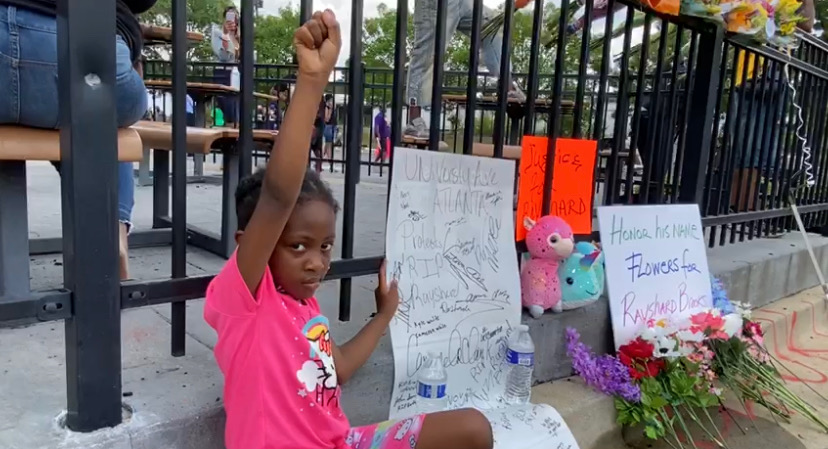
Xeyli, who works for the Spanish television network Univision, is one of the many reporters that covered the George Floyd protests that started in May in Atlanta. She explains that her priority is keeping the community informed at all times, but it is not always as easy as it sounds. Sometimes journalists end up in places where they fear for their lives, and these demonstrations were one of those.
“The scale and magnitude of these protests were very powerful. People were not only asking for justice, but they were seeking to stop racism in the country.” She said.
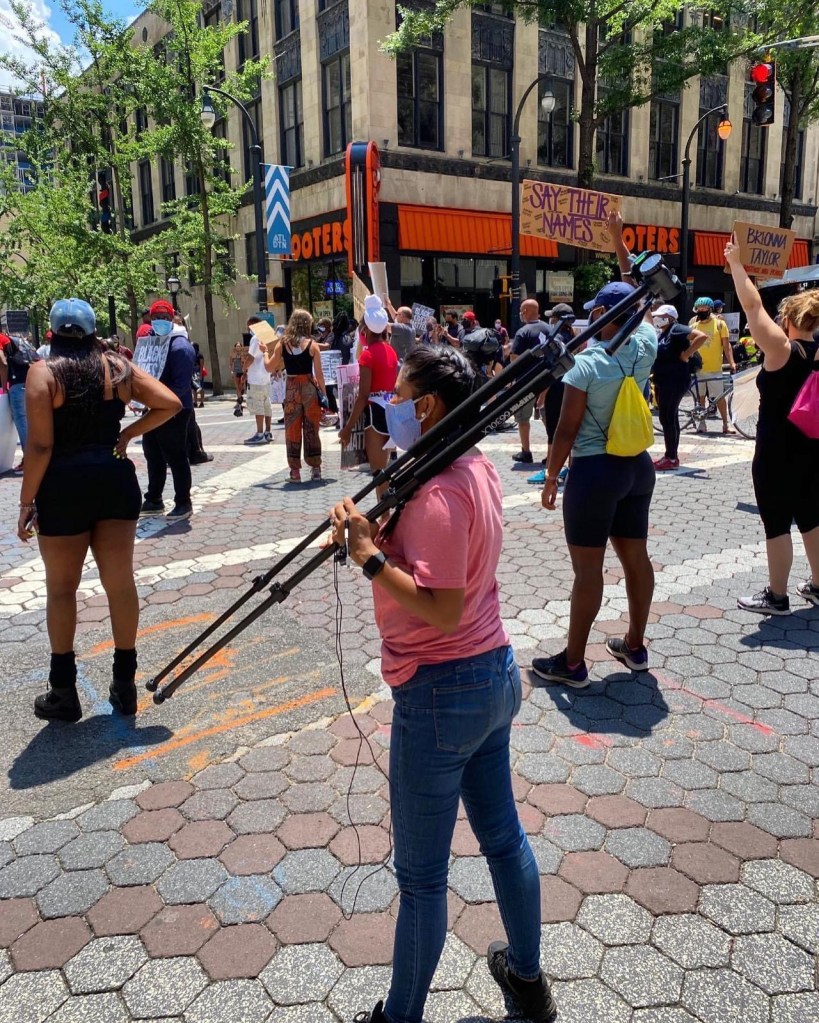
“The tension was extreme. You couldn’t even look at other people in the eye because they took it as a threat, especially when your cameraman is a white guy. I didn’t have any issues because my skin is darker than his, but the protesters were fast to say they didn’t want him there if he wasn’t supporting the movement.”
Xeyli says that her co-worker was warned that he would have to leave if he was just trying to get pictures for his social media. Even though they explained they were press and were just doing their job, one of the protesters watched him like a hawk.
“The situation got so uncomfortable that my cameraman started shouting, “All lives can’t matter until black lives matter.” We, journalists, can’t do that. We are there to report not to support, but he was fearing for his life and said, “Xeyli, I’m sorry. I’m scared, and I need to do something so that they stop looking at me that way.”
These protests not only took place in Atlanta. Thousands of people around the country rallied to condemn racism, an issue that not only targets the Black community but Latinos as well. According to Pewresearch.org, four in ten Latinos in the country have felt discriminated for speaking Spanish or have been asked to go back to their countries.
“The Latino community is still a minority. Unfortunately, the guidelines that our government promotes are empowering these behaviors.” She said.
“So, people feel like they have the right to disrespect someone that doesn’t fit the profile that the president has set.”
Xeyli believes that these attacks against Latinos have always existed, but they are more prominent since the Trump administration. She believes our government needs to be held accountable for not taking action about the injustices against minorities.
Even though social media has played a significant role in exposing police brutality, racism, acts of violence, among other issues, nothing can take the place journalism has in our community. Reporters like Xeily work hard day after day to expose the truth and give a voice to the voiceless.
She claims that her career is keeping the government in check.
“The influence of the media and press will always impact society. That’s why we are called “the fourth estate.”

